
How Municipal Court Warrants Work
A municipal-court warrant normally belongs to a city's own court and police structure. Craig County's official New Castle and court pages do not show that structure here. The sources reviewed identify one incorporated town, but no separate town police department, municipal court docket, town marshal, or town warrant list.
That gap matters. A local notice may still be filed through Virginia's district-court and magistrate system. Read the issuing court on the paper and ask the clerk how the ordinance matter is docketed. Do not infer a town court from the words “New Castle” on a citation.
Craig County Has No Municipal Warrant Portal
New Castle's town page lists town government but no police or court search. The town's 1911 incorporation by Circuit Court order and current charter do not establish a separate municipal docket in the sources reviewed. The responsible finding is “no portal located,” not that no local notice or court process can exist.
For a specific ticket or ordinance notice, use the court printed on the notice and ask the General District clerk where it was entered. The county-wide process remains in Virginia's court system; no city-specific status code or warrant number was found.
Municipal Courts Across Craig County
The city profile list has one incorporated place, New Castle. Official town and county sources identify no separate municipal court there. This table records that research result and gives the public route for an actual notice, rather than inventing a city docket.
| Place | Municipal court | Official route |
|---|---|---|
| New Castle | No separate court page located | Ask Craig GDC where a town notice was docketed |
Craig County Warrant Routes Use Two Addresses
New Castle Town Hall is at 339 Market Street, phone 540-864-5380. The court and sheriff complex is on Main Street, with the district clerk in Suite 5, the Circuit Clerk in Suite 4, and sheriff/magistrate contact in Suite 1. The town office handles council and clerk/treasurer matters; it is not the courthouse or a warrant desk.
Craig County Municipal Warrant Checks
Because no New Castle municipal search was located, start with the state public case interface and the court listed on the notice. OCIS supports name or case-number searches; the General District local search is one court at a time. The county's clerk, not Town Hall, can identify the court file. The sheriff can address its service records.
- Read the notice for the court, case or citation number, and next date.
- Search OCIS or the General District local case page; compare the charge and date.
- Call the GDC/J&DR clerk at 540-864-5989 or Circuit Clerk at 540-864-6141.
- Call the sheriff at 540-864-5127 for service questions; use FOIA for a specific existing record.
Craig County Warrant Checks Start With OCIS
A New Castle search result is a Virginia case record, not proof that a town court issued a warrant. OCIS can show the court, case number, defendant, offense date, hearing date, charge, and code section. The example GT12345678-90 comes from official help and illustrates a traffic case pattern only; it is not a local warrant number.
If the record is not visible, ask the clerk whether it belongs to General District, Circuit, J&DR, or another locality. No separate New Castle case-number key or municipal lookup form was located.
Municipal Warrants: What They Show
No New Castle municipal record schema was found. A state court result may display a case number, court, charge, and hearing date, but the local page should not present those fields as a town warrant record. Use the printed notice and ask the issuing clerk to explain any process label.
| Case number | Use the identifier on a notice; no New Castle municipal format was located. |
|---|---|
| Charge / code | Read the Virginia Code or ordinance section printed on the record. |
| Issuing court | Confirm whether the file is in General District, Circuit, J&DR, or another court. |
| Next date | Ask the clerk whether a hearing, show-cause, or return date applies. |
| Process status | Confirm service, recall, or bond status directly with the court or sheriff. |
New Castle Parking Notices Are Not Warrants
Craig County's parking ordinance describes a path from an unpaid notice to a complaint, summons, or warrant process. It also allows removal or immobilization after three or more unsettled violations. That is a local parking rule, not proof that any given town ticket becomes an arrest warrant.
Ask the GDC clerk how a local ordinance notice was docketed and what process appears. No official New Castle traffic-court portal, municipal ticket payment page, amnesty notice, or town warrant list was located.
Read the county parking ordinance alongside the specific citation.
Clearing a Municipal Court Warrant
No separate New Castle municipal-court recall or payment process was located. If a notice appears to involve a town ordinance, call the court named on it and ask about the balance, process label, next date, and whether payment or an appearance changes the warrant. A clerk explains the record; a judge decides recall.
- Confirm which court has the case and what process is listed.
- Ask the clerk what payment, motion, bond, or appearance is allowed.
- Use the sheriff or regional jail only for service, custody, or bond logistics.
- Keep the court's written order or receipt and confirm the next date.
Warning: Do not pay a caller or assume an overdue town notice is a warrant; verify the court, amount, and process using an official number.
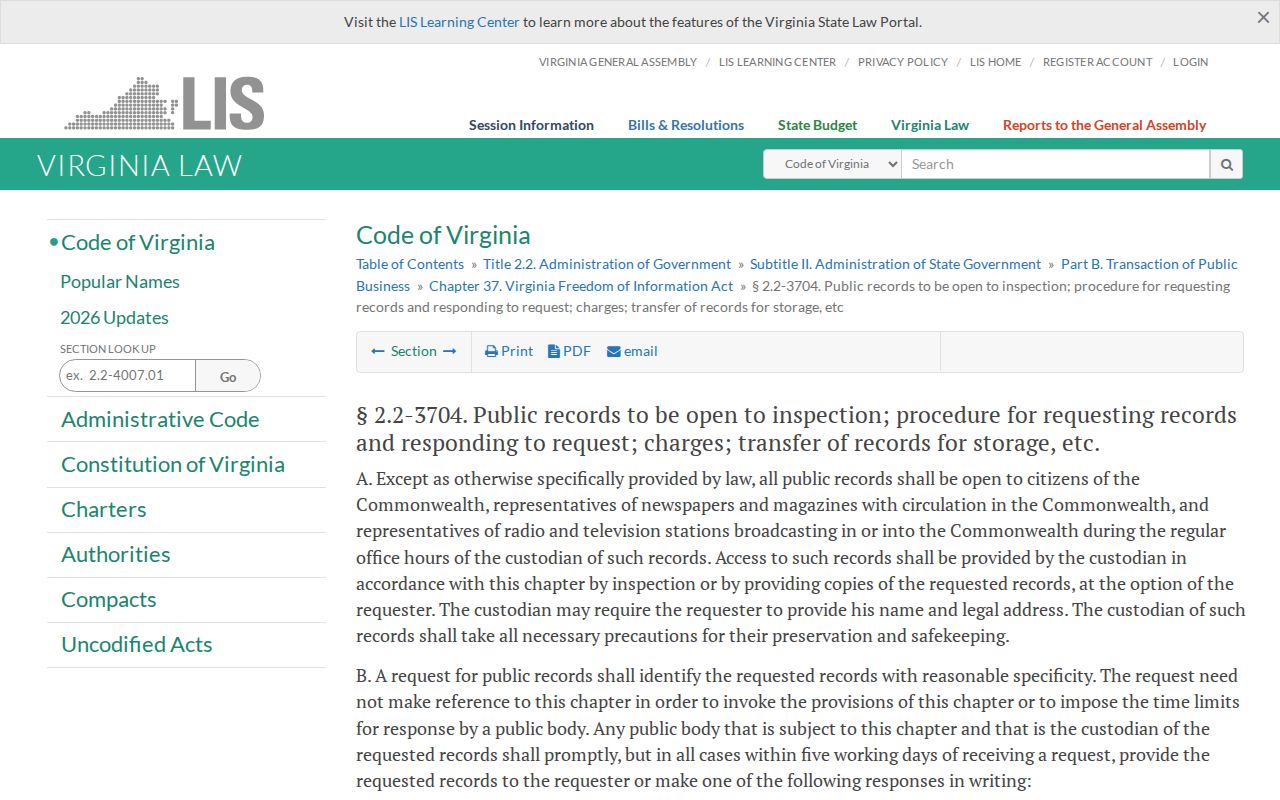
Virginia FOIA requests must identify existing records with reasonable specificity. The state request statute sets a five-working-day response framework, while exemptions and protected records still apply.
Craig County has no official New Castle amnesty page or municipal warrant portal in the research sweep. A call to the town office can route a town-government question, but it cannot certify a court process.
Craig County Warrant Access Is Limited
Virginia FOIA is a route to an existing nonexempt record, not a command to create a town warrant database. A focused request can name the court, notice or citation, and date range; ask for an estimate and any statute supporting a denial or redaction. The county may route the request to the office that holds the file.
Juvenile and J&DR records have added privacy limits, and sealed or investigative material may not be public. Call the clerk to learn who can request the record. The juvenile-record rule explains one key access boundary.
The official FOIA statute page shows the request framework without exposing any person's warrant or case.
Ask for a specific public record and verify the court's response before acting.